
Living in Cohoes, New York, residents enjoy the charm of the Mohawk Valley and the natural beauty of the Erie Canal. Whether spending your weekends kayaking at Peebles Island State Park, hiking local trails, or participating in community events downtown, your lifestyle keeps you moving. One vital, often-overlooked factor in maintaining not only your overall wellness but specifically your spinal health, is hydration. Let’s explore why water intake is crucial for your spine and offer practical tips for staying hydrated as an active member of the Cohoes community.
The Spine and Water: A Vital Connection
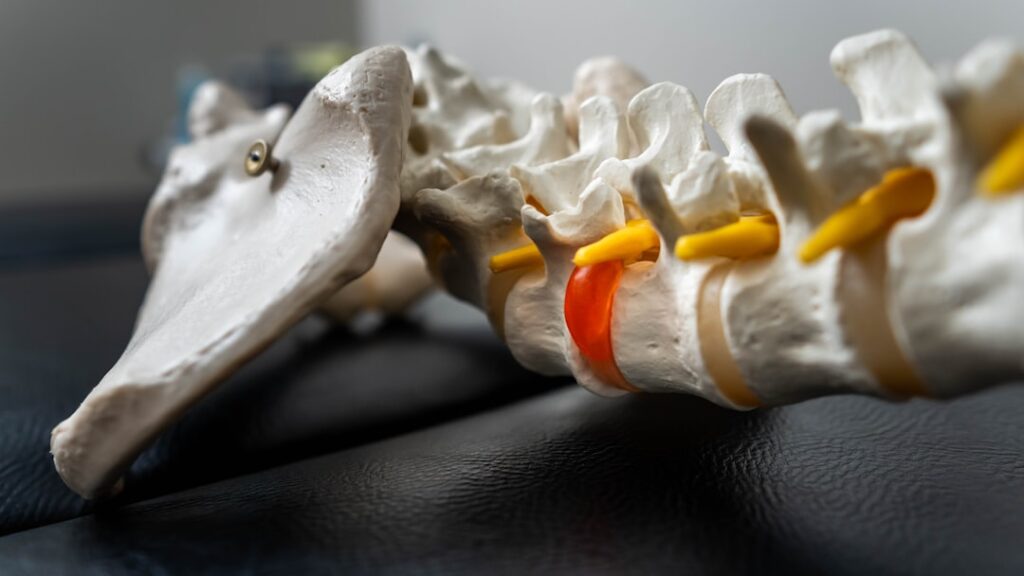
Your spine isn’t just a stack of bones. Between each vertebra is a disc made mostly of water, acting as a shock absorber that cushions movements. These discs support everything from sitting at your desk in local businesses to shoveling snow in winter or walking along the Cohoes Falls. When dehydrated, those discs lose volume and resiliency, potentially leading to:
- Back pain and stiffness
- Reduced flexibility and range of motion
- Increased risk of injuries such as herniated discs
Water is essential for transporting nutrients to these discs and clearing away metabolic waste. Without adequate hydration, these crucial spinal components can’t regenerate and function as intended.
Why Locals in Cohoes Need to Pay Special Attention
Cohoes experiences four full seasons, with hot, humid summers and cold, dry winters. Outdoor activities contribute to water loss through sweat in the summer and through increased respiratory loss in dry winter air. Many residents enjoy seasonal sports, community walks, or even the city's vibrant summer farmers’ markets — all opportunities where hydration can easily be overlooked.
Even indoor heating in the winter can dehydrate you without you noticing. Office workers, teachers, and those in manufacturing jobs around Cohoes often don’t realize how little water they consume during busy days.
Signs You’re Not Drinking Enough Water
Dehydration isn’t always obvious, and symptoms can be subtle. Watch for:
- Headaches, fatigue, or lightheadedness (especially in fluctuating Cohoes weather)
- Stiffness when rising in the morning
- Muscle cramps after a hike or workout
- Increased or sudden onset of back pain
If you notice these, it could be your body asking for more hydration—and your spine’s way of letting you know it needs help.
How Much Water Do You Need in Cohoes?
A common guideline is to drink eight 8-ounce glasses of water a day, but active living and climate should factor into your intake. In hot summers or during physical activity (like walking along the canal or running errands in town), you may need more.
- Listen to your body: Thirst isn’t always the first indicator—often, by the time you’re thirsty, you’re already mildly dehydrated.
- Monitor urine color: Pale yellow is ideal; darker means you need more water.
- Adjust for activity and weather: Increase your water intake on hot, humid days or when you’re more active than usual.
Practical Ways to Stay Hydrated Around Cohoes
Here are local-friendly hydration tips to make water a natural part of your daily routine:
- Carry a reusable water bottle: Whether you’re enjoying the farmer’s market, local festivals, or just out for a stroll, bring water with you.
- Flavor it naturally: Add slices of local apples or cucumbers (found fresh from area farms) to your water for a refreshing twist.
- Eat hydrating foods: Fruits and veggies from Cohoes grocery stores—like watermelon, strawberries, and leafy greens—help maintain hydration.
- Set reminders: Use your phone or smart watch to remind you to take a drink throughout the day, especially if you’re working inside.
- Hydrate before and after outdoor activities: If you’re planning to garden, hike, or enjoy the parks, drink water before heading out and replenish after coming home.

The Hydration–Spinal Health Connection: How Water Supports Chiropractic Care
As Cohoes residents seek chiropractic care for common back aches, athletic injuries, or preventive wellness, hydration supports your care plan in several ways:
- Aids in spinal alignment: Proper hydration keeps spinal discs plump, reducing friction and wear.
- Speeds healing: If you have a spinal injury, hydration ensures efficient delivery of nutrients necessary for tissue repair.
- Prevents future issues: Routine proper hydration, combined with good posture and regular chiropractic care, offers maximal protection for your spine.
Hydration for All Ages
Children playing sports at local schools, active adults, and older residents alike benefit from mindful hydration. As we age, our bodies become less efficient at signaling thirst, increasing the risk of dehydration—and thus, spinal issues. Encourage family members of all ages to build healthy hydration habits.
Community Wellness Begins with You
Spinal health is a foundation for everything you do—be it working, exploring historic Cohoes, or attending community events. Making hydration a consistent priority is a simple yet powerful way to protect your back and promote lifelong mobility.
If you’re experiencing back discomfort, increased fatigue, or new aches, take a moment to assess your hydration habits. Combine this awareness with regular chiropractic visits for a well-rounded approach to wellness that keeps you thriving throughout all seasons in Cohoes, New York.
Take care of your spine—one sip at a time!
