
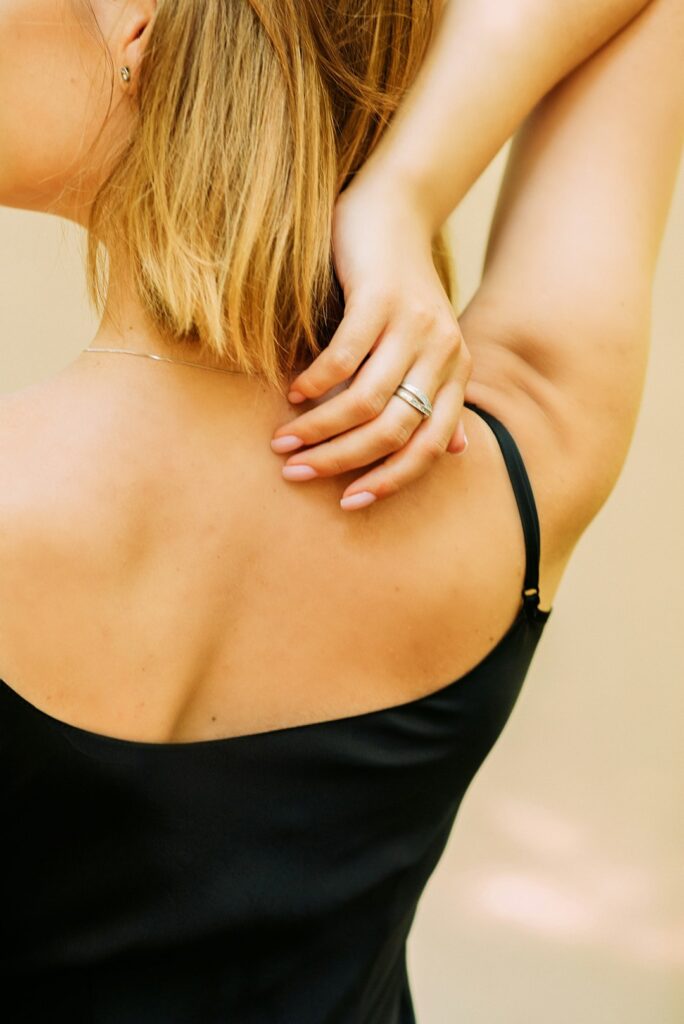
Living in Cohoes, New York, means embracing an active lifestyle, whether you're exploring Cohoes Falls, tending to your garden, or helping out with community events. For many residents, these activities sometimes lead to minor back strains—a common and often frustrating ailment. Understanding how to address mild back pain at home can make all the difference when you need quick relief and want to return to your daily activities.
Below, you'll find practical, proven home remedies for minor back strains, tailored for the Cohoes lifestyle and climate, as well as answers to the most commonly searched questions online about managing minor back pain effectively at home.
Understanding Minor Back Strains
A minor back strain usually involves overstretched or slightly torn muscles or ligaments in the back. This can occur from lifting a heavy grocery bag at Hannaford, shoveling snow in winter, or even twisting the wrong way during a walk along the Mohawk-Hudson Bike Trail. Symptoms typically include mild to moderate pain, stiffness, muscle spasms, or reduced mobility that improves within a few days to weeks.
When Is It Safe to Manage at Home?
Home care is appropriate when:
- The pain is mild to moderate (not severe or radiating down your legs)
- There is no numbness, tingling, or loss of bladder/bowel control
- You remember a clear cause (like lifting or mild overuse)
If symptoms persist for more than a week or worsen, contact a healthcare professional in Cohoes promptly.
First Steps: Immediate Actions
1. Rest—But Don't Stop Moving
Short periods of rest (a day or two) can help, but complete inactivity can slow recovery. Continue gentle movements throughout the day—walking around your home or a short stroll at Peebles Island State Park is perfect.
2. Cold Therapy
Applying an ice pack during the first 24-48 hours can reduce swelling and numb pain.
- Use a cold pack, a bag of frozen vegetables, or a cloth-wrapped ice pack
- Apply for 15-20 minutes every 1-2 hours
Afterward, switch to moist heat (like a warm shower or heating pad) to relax muscles and improve blood flow.
3. Over-the-Counter Pain Relief
Non-prescription medications like ibuprofen or acetaminophen can help minimize discomfort and inflammation. Always follow label directions and consult your doctor if you have any health conditions.
Gentle Home Remedies That Work
1. Stretching and Mobility Exercises
Cohoes residents know the importance of staying active through all seasons. Try gentle movements to keep your back limber:
- Knee-to-chest stretch: Lie on your back, gently pull one knee to your chest and hold for 20 seconds; repeat with the other leg.
- Cat-cow stretch: On hands and knees, alternate arching and rounding your back.
- Pelvic tilts: Lying on your back with knees bent, gently press your lower back into the floor, then release.
Avoid twisting and high-impact activities until your pain subsides.
2. Localized Self-Massage
A foam roller or tennis ball can gently ease tension:
- Slowly roll the affected area against a wall or the floor to loosen tight muscles.
- Don’t massage directly over the spine; target the muscles adjacent to sore spots.

3. Proper Hydration and Nutrition
Back strains are more common in cold weather when muscles are tight—a frequent concern for Cohoes’s winters. Drinking water and eating nutritious, anti-inflammatory foods (like leafy greens, nuts, and berries from the Cohoes Farmers Market) can help support muscle recovery.
Lifestyle Tips for Healing and Prevention
1. Ergonomic Improvements at Home and Work
Whether you work remotely from a home office or commute to Albany, your chair and desk setup matters:
- Keep your feet flat on the floor and your back supported.
- Raise screens to eye level to avoid slouching.
2. Smart Lifting Techniques
Many Cohoes residents enjoy community volunteering, gardening, or home improvement. Always lift with your legs, not your back, and avoid twisting. If lifting heavy snow, switch arms regularly and keep loads light.
3. Stay Active, Even After Recovery
Walking, gentle yoga, and swimming at the Cohoes Community Center pool all help keep your back strong and flexible. Building core strength further reduces your risk of future strains.
Frequently Asked Questions
How long does a minor back strain take to heal?
Most mild strains resolve within a week using proper rest and home remedies. Persistent pain may require consultation with a healthcare provider.
Are there any signs I should see my doctor immediately?
Yes. Seek medical care right away if you experience severe pain, significant swelling, numbness, tingling, difficulty walking, or loss of bladder/bowel control.
Can weather affect back pain in Cohoes?
Absolutely. Cold or damp weather can make muscles stiffer, increasing the risk of strains and aches. Warming up before outdoor activities and using heat therapy indoors helps offset this effect.
In Summary
Many Cohoes residents experience minor back strains due to an active lifestyle or seasonal chores. With these effective home remedies—rest, cold and heat therapy, gentle stretching, and ergonomic awareness—you can manage most mild back pain safely and return to enjoying life in our vibrant city. However, remember to seek professional care if your symptoms are severe or persist to ensure your back stays healthy for every adventure Cohoes has to offer.
