
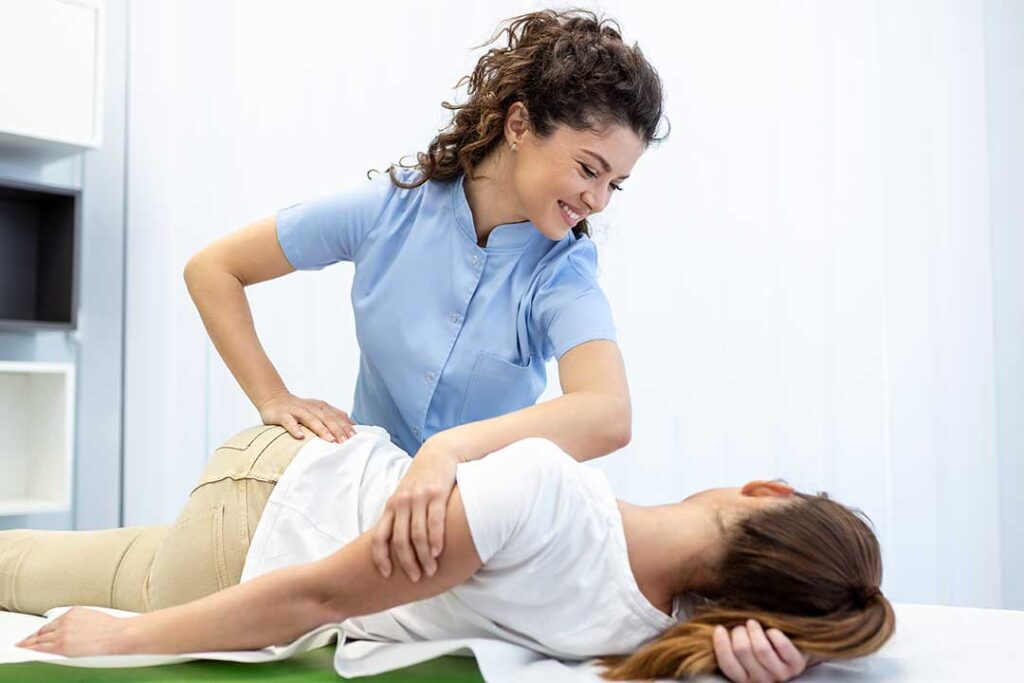
What Is Scoliosis and How Does It Affect Life in Cohoes, NY?
Scoliosis refers to an abnormal sideways curvature of the spine. While mild curves can be barely noticeable, more severe forms may affect movement, posture, or even breathing. Children, teens, and adults in Cohoes can all experience scoliosis, but its impact often depends on the person’s age, health, and daily activities.
In a city with a mix of historic homes and active lifestyles, the way residents move, carry groceries, or work from home can influence how spinal changes feel day to day. Tight spaces or stairs in older homes, icy winter sidewalks, and common household chores may amplify the effects of even a mild spinal curve, making practical management strategies valuable.
Can Chiropractic Care Really Help With Scoliosis?
Chiropractic care is not a cure for scoliosis, but it may help manage symptoms in some people. Spinal adjustments and related therapies focus on improving mobility and reducing discomfort rather than straightening the spine.
Some individuals notice:
- Reduced muscle tension around the curve
- Improved flexibility in the back and shoulders
- Less day-to-day pain or stiffness
Chiropractors may also provide guidance on posture and safe movement, which can be especially relevant for those navigating stairs in multi-level homes or dealing with frequent snow shoveling. It’s important to understand that these results vary, and not every case of scoliosis responds in the same way.
What Should Residents Expect From Chiropractic Approaches?
The approach used for scoliosis usually depends on the specifics of the curve, age, and individual health needs. Initial visits typically include a thorough health review, physical exam, and questions about lifestyle and home environment—such as work habits or frequently encountered obstacles like icy driveways.
Chiropractic methods may involve:
- Gentle manual adjustments aiming to increase spinal mobility
- Exercises to strengthen back and core muscles
- Tips to improve everyday ergonomics—helpful for common activities like raking leaves or carrying groceries
- Education about what movements to avoid to prevent extra strain
It’s essential for anyone considering chiropractic care to have realistic expectations. For most, the goal is easing pain and supporting function, not reversing the curve.
Are There Safety Concerns With Chiropractic for Scoliosis?
Most chiropractic treatments are considered safe for mild to moderate scoliosis. However, there are situations where caution is needed. Severe curves—especially those causing nerve symptoms, breathing issues, or rapidly worsening—may call for medical oversight.
Chiropractors typically work collaboratively with other healthcare providers for individuals with complex conditions. If symptoms like numbness, tingling, or significant weakness appear, a medical evaluation is important to rule out nerve involvement. Children and teens with growing spines may require extra monitoring to track any progression.
How Might Local Factors Affect Scoliosis Management?
Cohoes experiences snowy winters, damp springs, and varying temperatures—all of which can influence scoliosis comfort and care. For example:
- Navigating icy walkways can challenge balance for those with uneven muscle strength caused by spinal curves.
- Heavy snow shoveling places extra physical demands on the back and shoulders.
- Variable humidity during different seasons can affect joint stiffness or muscle tension.
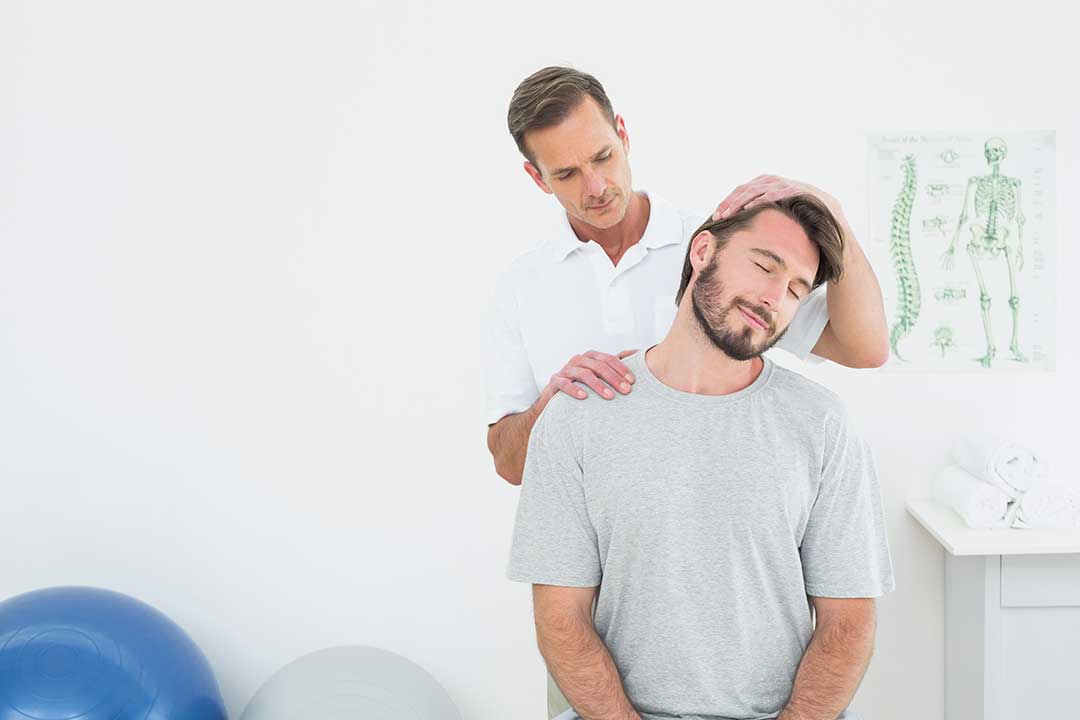
Practical adaptations—like using ergonomic shovels, wearing supportive footwear, or adjusting furniture layout—can help area residents manage scoliosis and reduce daily strain.
What Are Common Misunderstandings About Scoliosis and Chiropractic?
Many believe chiropractic adjustments can “fix” or straighten the spine in those with scoliosis. In reality, chiropractic care focuses on comfort, not correction. While some notice postural improvements, structural changes to the curve itself are rare.
Other common misconceptions include:
- Only teens are affected: Adults often deal with scoliosis-related pain, especially alongside age-related changes.
- Exercise isn’t safe: Guided physical activity is usually encouraged and can help build supportive muscles.
- Everyone with scoliosis needs a brace or surgery: Most curves are mild and managed conservatively.
When Should Residents Seek Further Medical Advice?
While many people manage scoliosis successfully at home or with conservative care, there are instances where further medical guidance is warranted. Signs that may require closer evaluation include:
- Rapidly worsening curves
- Increased or persistent pain
- Changes in leg strength or sensation
- Difficulty with walking, breathing, or daily self-care
In these situations, connecting with a medical provider ensures that underlying concerns are not overlooked and that all safe options are considered.
Where Can Residents Learn More?
Local libraries, community health events, and reputable online resources offer practical information about scoliosis. Municipal recreation programs sometimes offer gentle exercise or movement classes suitable for individuals with back discomfort. Talking with family members, school nurses, or trusted community mentors can also provide encouragement and knowledge-sharing for managing spinal health over time.
