

Minor aches and pains are common, especially after lifting, shoveling, gardening, commuting, exercising, or spending long periods at a desk. Most are not emergencies. Still, pain that keeps returning, gradually worsens, changes how you move, or comes with other symptoms deserves attention rather than indefinite self-treatment.
For residents of Cohoes, NY, seasonal routines can create familiar physical stresses. Winter snow and ice may involve repeated lifting, twisting, and bracing against slippery surfaces. Warmer months often bring more yardwork, home maintenance, cycling, and outdoor activity. These changes can reveal weaknesses or movement habits that are easy to dismiss at first.
Why can a minor ache matter?
A mild ache may be the earliest sign that a muscle, joint, tendon, or nerve is being overloaded. Pain can also lead people to move differently, which may place extra strain on nearby areas.
For example, a sore lower back may cause someone to lean to one side. A painful shoulder may lead to overuse of the opposite arm. A stiff neck may encourage shallow movement or prolonged tension. The original problem may remain small, while the compensation creates additional discomfort.
Minor pain does not automatically mean serious damage. It is better viewed as useful information. The pattern matters as much as the intensity.
Pay attention to whether pain:
- Appears after a particular activity
- Returns in the same location
- Lasts longer than expected
- Is becoming more frequent
- Limits walking, lifting, sleep, work, or recreation
- Comes with numbness, weakness, swelling, or reduced coordination
Is it safe to wait and see?
Short-lived soreness after unfamiliar activity often improves with relative rest, gentle movement, and a gradual return to normal tasks. Many uncomplicated muscle aches resolve with home care. However, “wait and see” should include observation, not ignoring the problem indefinitely.
For mild back pain, prolonged bed rest can make recovery more difficult. Light activity within comfortable limits is generally preferable to staying still for several days. MedlinePlus notes that many episodes improve within weeks, but pain that is severe, follows an injury, or does not improve should be evaluated. ([medlineplus.gov](https://www.medlineplus.gov/ency/article/007425.htm?utm_source=openai))
A practical approach is to track the symptom for several days:
- What activity preceded it?
- Is the discomfort improving, stable, or worsening?
- Does movement help or aggravate it?
- Is the pain localized, or does it travel into an arm or leg?
- Are sleep, balance, strength, or daily tasks affected?
This information can help distinguish ordinary post-activity soreness from a recurring mechanical problem or a condition needing further assessment.
What overlooked habits can keep pain going?
Small, repeated stresses often matter more than one dramatic event. Common examples include lifting while twisting, working with the head bent forward, carrying a bag on one side, standing on hard surfaces, or returning too quickly to demanding activity after a period of inactivity.
Household tasks can also be deceptively physical. Clearing snow, moving storage containers, washing windows, doing laundry, and caring for children may involve hundreds of repeated movements. In older homes, stairs, uneven flooring, and narrow work areas can encourage awkward postures.
Pain may persist when a person:
- Avoids all movement instead of modifying the painful activity
- Repeats the same motion without breaks
- Increases exercise suddenly
- Uses pain medicine frequently without reviewing the cause
- Sleeps poorly or remains in one position for long periods
- Treats recurring symptoms as separate incidents
The goal is not to avoid every activity. It is to identify the load that exceeds current tolerance and rebuild capacity gradually.
Can pain be present without major injury?
Yes. Pain does not always indicate a tear, fracture, or serious structural problem. Muscles may become sensitive after overuse, joints may become irritated, and nerves may become more reactive. Stress, poor sleep, illness, and reduced conditioning can also influence how strongly discomfort is felt.
At the same time, the absence of a major injury does not make persistent pain meaningless. Pain that continues for weeks, repeatedly returns, or progressively restricts activity may require a more complete evaluation.
Frequent use of over-the-counter pain relievers also deserves caution. These medicines may be useful for occasional symptoms, but regular reliance can mask a problem and may carry risks for some people, including those with kidney disease, stomach ulcers, bleeding concerns, liver disease, or medication interactions. Mayo Clinic advises discussing ongoing pain or frequent medication use with a healthcare professional. ([mayoclinic.org](https://www.mayoclinic.org/diseases-conditions/arthritis/in-depth/arthritis/art-20046440?utm_source=openai))
When should minor pain be evaluated promptly?
Pain should not be managed only at home when it follows a significant fall, collision, or other injury, or when it is accompanied by symptoms suggesting nerve involvement or illness.
Prompt medical evaluation is appropriate for:
- New or worsening weakness
- Numbness or tingling that spreads or persists
- Difficulty walking, balancing, or using an arm
- Pain traveling below the knee or into an arm
- Fever, unexplained weight loss, or feeling unusually ill
- Redness, warmth, or notable swelling
- Pain that is severe, constant, or repeatedly wakes someone at night
- Pain that does not improve after several weeks
Back pain with new loss of bladder or bowel control, difficulty urinating, numbness around the inner thighs or pelvic area, or weakness in both legs is an emergency. These symptoms can indicate serious nerve compression and should not be watched at home. ([medlineplus.gov](https://www.medlineplus.gov/ency/article/007425.htm?utm_source=openai))
Chest pressure, trouble breathing, fainting, sudden severe headache, or pain associated with a major accident also requires emergency care rather than chiropractic, exercise, or home treatment.
What can residents do when an ache first appears?
For mild symptoms without warning signs, begin with simple, measurable steps:
1. Reduce the specific activity that aggravates the area, but avoid unnecessary bed rest.
2. Use comfortable, gentle movement to prevent stiffness.
3. Try cold or heat based on which feels better, protecting the skin and limiting exposure time.
4. Resume normal activity gradually rather than testing the area with a sudden heavy task.
5. Record changes in pain, strength, sensation, and function.
6. Review medications with a pharmacist or healthcare professional before using them repeatedly.
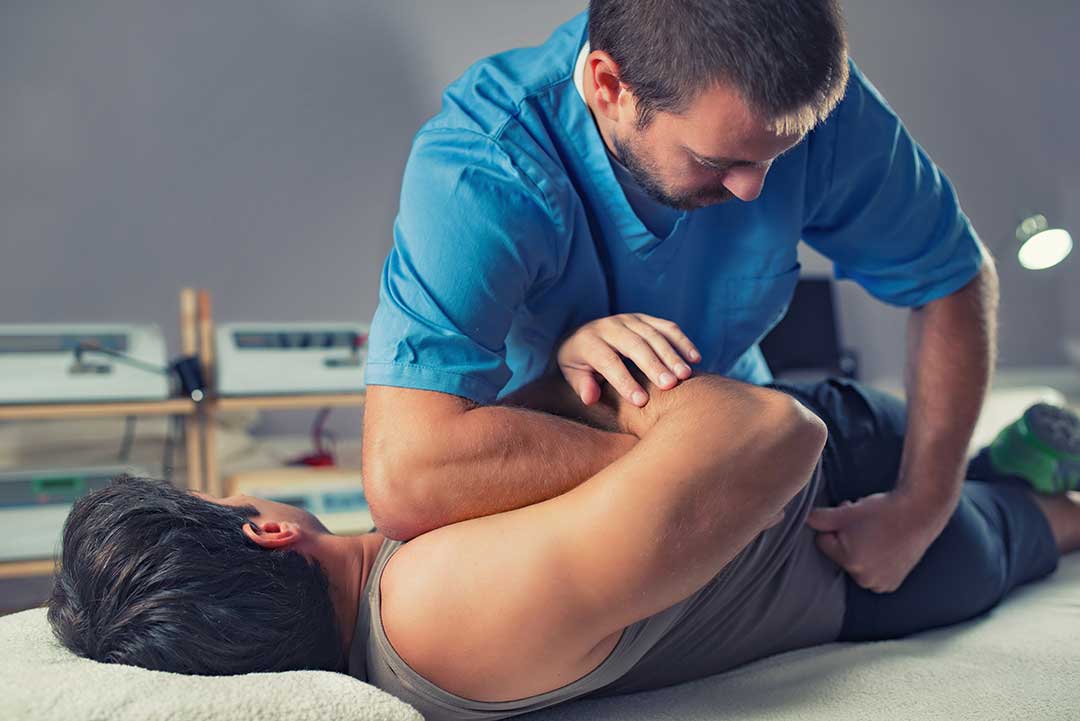
Chiropractic care may be one part of an evaluation for some muscle and joint complaints, but it is not appropriate for every cause of pain. A careful history, physical examination, and referral for medical testing when needed are more important than assuming every ache is a spinal alignment issue.
Minor pain deserves neither panic nor neglect. The most useful response is to notice its pattern, reduce avoidable strain, maintain safe movement, and seek timely evaluation when symptoms persist, change, or include warning signs.
